Skip to content

How Gen Z redefines social energy

For many years, a “successful” social life meant showing up, but research shows that this script no longer fits Gen Z. Their relationship with social interaction is shaped not only by personal energy levels but also by broader forces such as digital saturation, economic pressure and norms around identity expression.

Compared to older generations, Gen Z treats social energy as a limited resource. They choose where to spend it carefully, a pattern that is visible in the rise of “flaking” culture, where canceling plans at the last minute often feels less like avoidance and more like self-care. Online threads are filled with stories of people dropping out of everyday plans because they simply “do not have the capacity.” 

A 2022 Pew Research Center study reinforces this shift. Although Gen Z is the most digitally connected generation, they are the least likely to find large social gatherings energizing. Instead, they gravitate toward what researchers call selective participation. They prefer fewer interactions, but ones that feel meaningful and manageable. This aligns with psychological research showing that constant digital stimuli leave people with less capacity for intensive social engagement. Trying to ‘manage’ social interactions is a shift that inevitably comes at the expense of spontaneity and the willingness to step outside one’s comfort zone.

At the same time, Gen Z is navigating what sociologist Ulrich Beck describes as “individualized risk environments.” Social spaces now require careful management of identity, inclusion and self-presentation. Because of this, Gen Z places a high value on psychological safety. When a space does not feel safe or affirming, energy drains quickly. Shorter and more intentional interactions become a way to protect emotional well-being.

Gen Z seeks experiences that lower the cost of showing up. They prefer environments that offer flexibility, the ability to come and go, to engage in smaller “micro-moments” or to participate digitally when needed. These structures support autonomy and authenticity while reducing the pressure of traditional social expectations.

In this context, Hinge’s new research of a “loving exit” reflects more than a polite boundary. For Gen Z, it signals a shift toward energy-aware sociability, where connection is measured by, for example, the depth of a conversation and comfort rather than duration.

Gen Z gravitates more towards identity-based communities (Journal of Consumer Culture), such as fandoms centered on music, gaming, or creators. These groups provide belonging, emotional resonance, and safety often more reliably than generic social events. Fandom becomes a social anchor: a place where they can connect without this performance.

Picture of Author

Author

Meera Radhoe

Share the signal.

More Signals

The value of human-made

Together with BrandTrust, we recently worked on the positioning of a fine jeweller based in Vienna. As part of the project, we explored the

The age of magical thinking

For decades, organisations assumed that more information would lead to better decisions and stronger consumer trust. But people don’t just seek facts or a

Baby Boomers booming industry

Why do so many companies overlook one of the largest and wealthiest consumer groups? Perhaps because the people making the decisions still hold the

Tabea Höllger

Partner

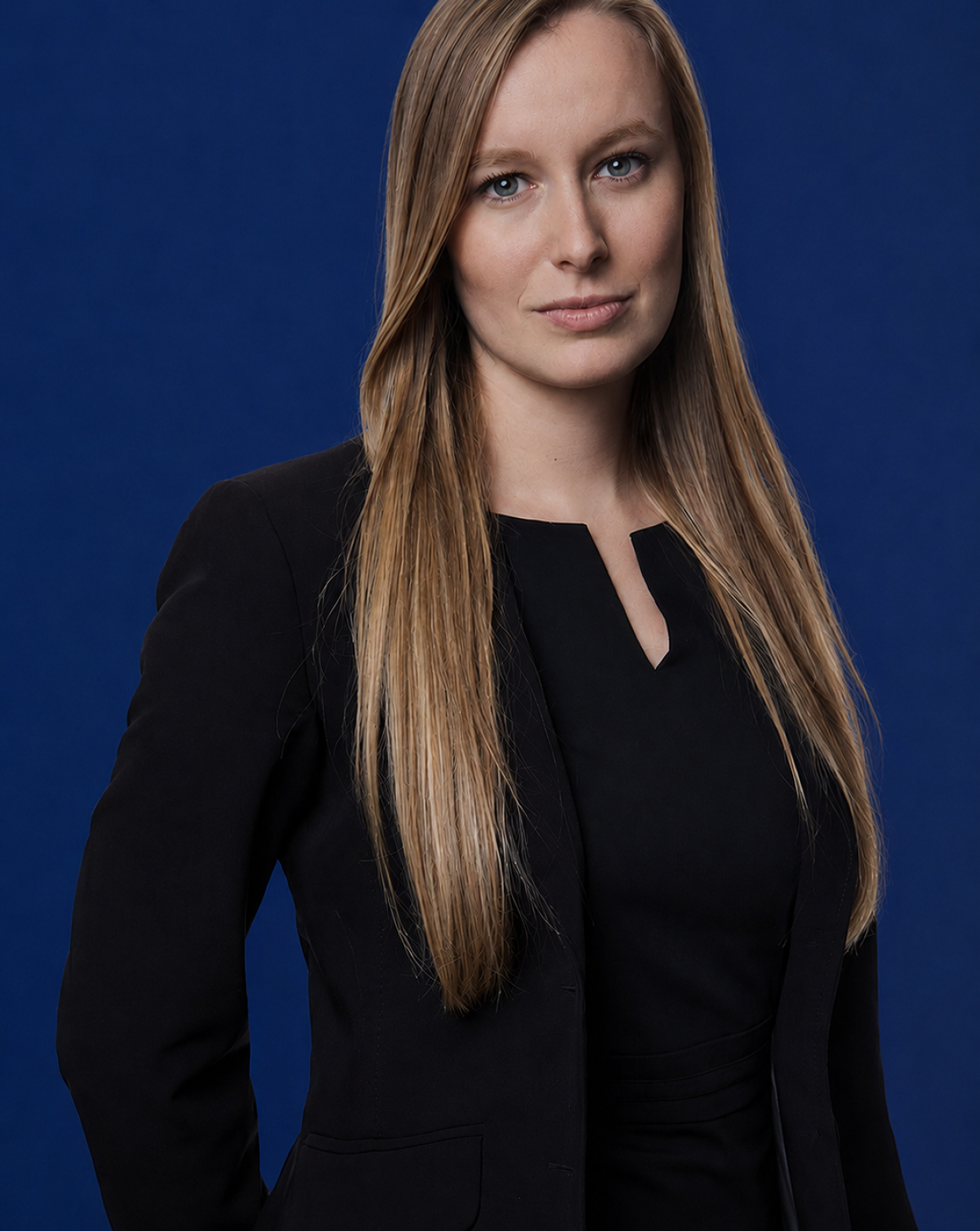
Tabea Höllger specializes in brand positioning in saturated markets and measuring brand success. One of her key areas of expertise is the FMCG sector, where she focuses on topics such as product launches and the impact of packaging.

Tabea sees herself as a bridge-builder at the intersection of the FMCG market, sustainable brand management, and emerging technologies. She firmly believes that knowledge transfer between these three perspectives is essential for successfully addressing the challenges of the future.

In addition, Tabea has established herself over many years as an expert in creating engaging and memorable brand experiences. She helps companies inspire their employees to embrace and champion the brand strategy.

After gaining experience in market and advertising research and spending time abroad in the United States and the Philippines, the trained business psychologist returned to BrandTrust in 2016.

Kees Elands

Founder & Strategist

Kees his purpose is to help ambitious leaders and brands to human-proof their business. In 2003 he founded TrendsActive, a trend consultancy enabling brands to become more human centric.

Kees consults global brands like

  • Disney
  • The Coca-Cola Company
  • Asics
  • Discovery Channel
  • Swiss Life
  • Vodafone

and many more.

Next to being the founder of TrendsActive, he is also initiator of the first academic trend master for executives at the University of Utrecht and is initiator of various trend studies and white papers on subjects like trust, meaning, visual culture & generations.

Complex Society (EN)

TrendsActive X Telecom Gen Z (Full report)

TrendsActive X Telecom Gen Z (Teaser)

Four rules – How to better resonate with Gen Z

Complex society report

Stay relevant.
Sign up for our
bi-weekly Signals.

A bi-weekly newsletter in which we keep track of what’s going on in the world and translate based on our sociocultural knowledge, what this means to brands.

Kim Pillen

Consultant

Before Kim Pillen started as a trend consultant at TrendsActive, she worked for four years as a creative strategist at Dept. For brands such as Philips, bol.com, Beiersdorf, JBL, and the Consumers’ Association, she built (online) campaign, brand, and social media strategies. After four years, she decided that she wanted to better understand people and society in order to advise brands more effectively. That’s how she ended up at TrendsActive. Here, she can do what she loves most: digging into people’s needs and then working with brands to see how and where they can be relevant and meaningful.

Douwe Knijff

Researcher

Douwe is fascinated by how people work. With a background in Interdisciplinary Social Sciences (Bachelor) and Psychology (Master) and an analytical mind he tries figure out how societal shifts manifest themselves through social culture and human behaviour.

Aljan De Boer

Keynote speaker

Aljan has been widely recognized as an inspiring professional speaker on the critical trends that will shape society in the decades to come. He works as the Head of Inspiration at TrendsActive, a trend consultancy from the Netherlands using social science to human-proof business decision for brands like

  • Disney
  • Vodafone
  • Hugo Boss
  • ASR
  • Rabobank

Next to his role at TrendsActive he is the Community Director at the Institute for Real Growth where he inspires and connects a global community of +400 CMOs.  

He has been on the board of the Dutch Platform of Innovative Marketing for almost a decade. Regular speaker and moderator for the Dutch Marketing Awards and 3 times winner of the best of MIE. 

Kees Elands

Founder & Strategist

Kees his purpose is to help ambitious leaders and brands to human-proof their business. In 2003 he founded TrendsActive, a trend consultancy enabling brands to become more human centric.

Kees consults global brands like

  • Disney
  • The Coca-Cola Company
  • Asics
  • Discovery Channel
  • Swiss Life
  • Vodafone

and many more.

Next to being the founder of TrendsActive, he is also initiator of the first academic trend master for executives at the University of Utrecht and is initiator of various trend studies and white papers on subjects like trust, meaning, visual culture & generations.

Trendsactive_blau

Kees Elands

Founder & Strategist

Kees Elands

Founder & Strategist