
Putting the human context at the heart of marketing transformation
“What does sustainable progress actually mean for the way we do marketing?”
ING had set an ambitious new direction.
A new five-year strategy placed sustainable progress — including planetary and financial health — higher on the agenda. For one of the Netherlands' largest advertisers and a sophisticated digital bank, that created an important question for Marketing.
What does sustainable progress actually mean for the way we do marketing?
Marketing could no longer only be excellent at selling products and delivering digital experiences. It also needed to understand how it could help customers make choices and adopt behaviours that contributed to the wider ambitions of the bank.
At the same time, those ambitions existed in a society increasingly willing to hold large businesses accountable. Climate activists, including Extinction Rebellion and Milieudefensie, were publicly challenging ING and other major Dutch companies.
ING therefore faced both an internal transformation and an external societal challenge.
Our work operated on both levels.
First, we helped ING better understand the human context surrounding climate activism.
We combined TrendsActive's Human Context framework with quantitative research among Dutch people, exploring the needs, values and behaviours driving attitudes toward climate activism and examining implications for ING's reputation and customer relationships.
One important finding was that people increasingly expect large businesses to take responsibility for societal challenges. The research also revealed a more nuanced landscape than the public debate sometimes suggested: there was considerable support for the goals behind climate activism, but much less support for extreme methods.
These insights were discussed with teams across reputation, sustainability, communications and leadership to help ING understand how to respond.
Alongside this work, we helped the Marketing organization translate the bank's new strategic ambitions into everyday behaviour.
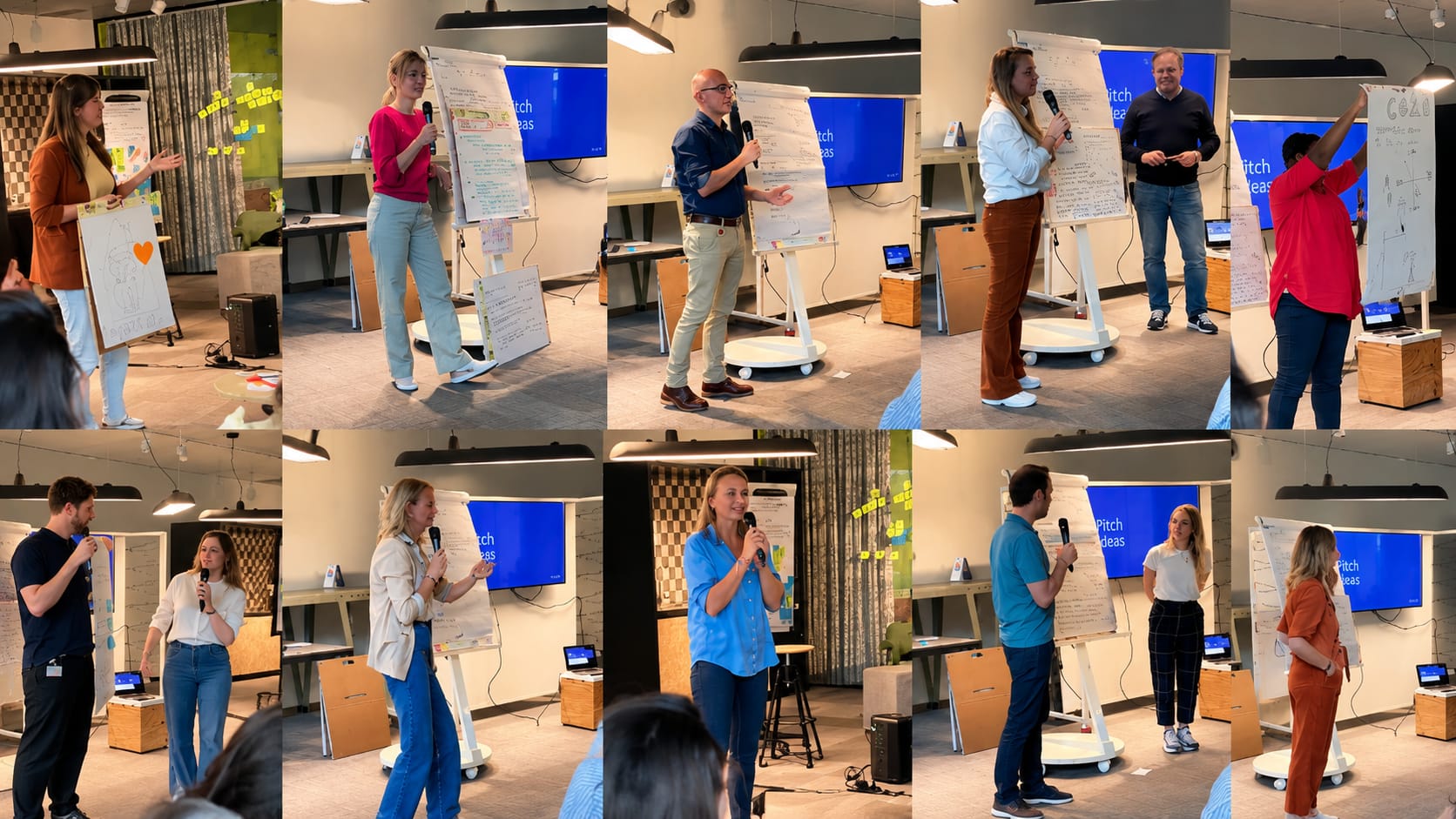
Together with ING, we created Playground, a year-round inspiration and development program built around strategic development, craft development and individual development. Topics ranged from sustainable marketing and human-centricity to creativity and business acumen.
Instead of approaching transformation solely through new objectives, processes and KPIs, we used the changing human context to help people understand why Marketing needed to change.
That created a different kind of transformation.
Rather than:
“Here is the new strategy. This is what you now need to do.”
the starting point became:
“This is how the world and the people we serve are changing. What does that ask of us?”
That distinction creates both motivation and agency.
The Human Context connected a corporate strategy to the reality marketers could see outside the organization — giving them not only a reason to change, but inspiration for what different behaviour could look like.
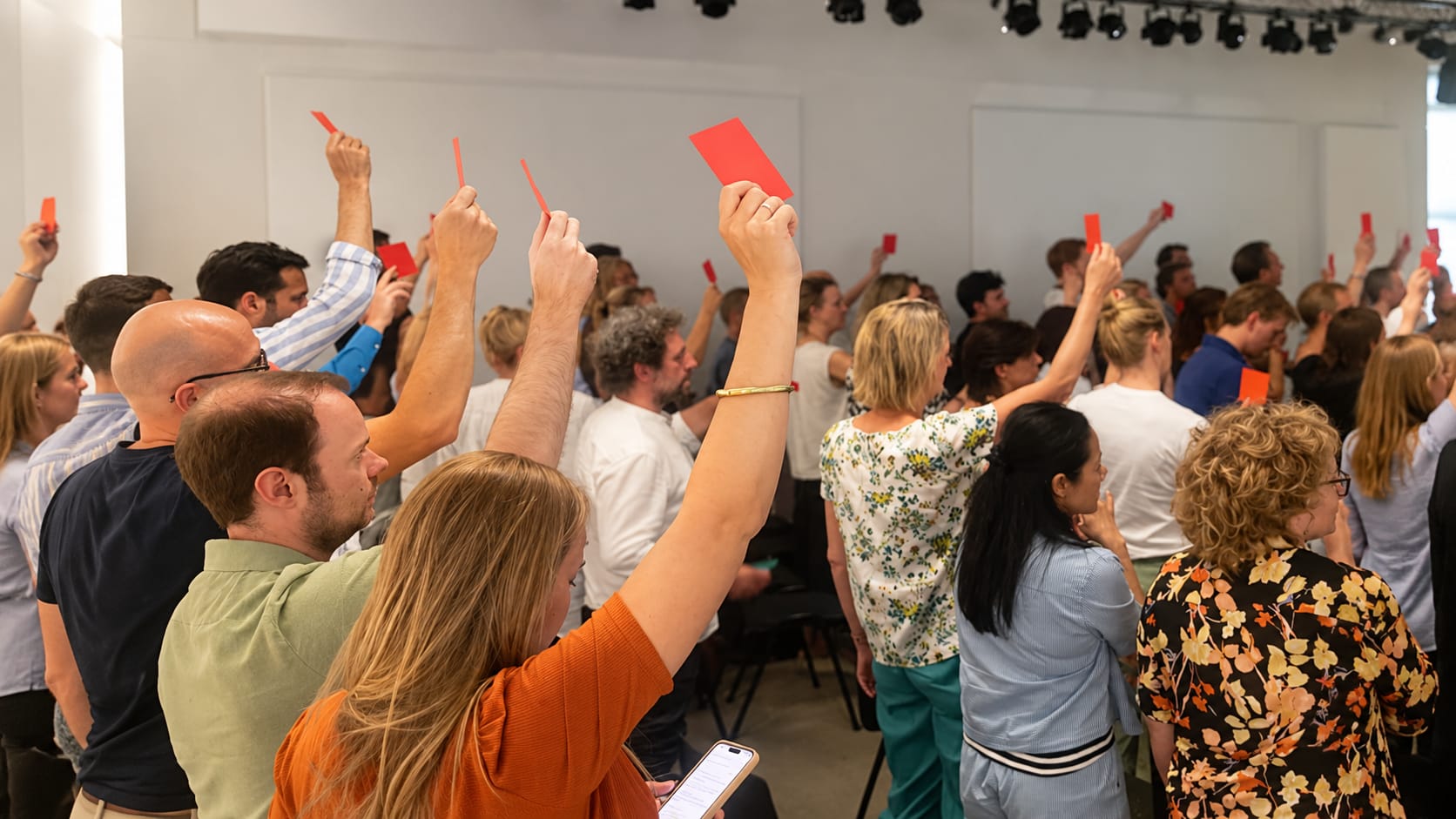
Over two years, the program combined large quarterly inspiration sessions with smaller learning interventions and practical application.
Sessions brought together the broader Marketing organization and included internal and external perspectives on subjects such as creativity, customer centricity, marketing effectiveness and sustainable marketing. Between the larger gatherings, lunch-and-learns and other interventions kept the learning alive.
The result was not simply greater knowledge.
The Human Context helped create understanding, motivation and practical agency around the transformation, accelerating the movement toward a more human-centric and sustainable approach to Marketing.
And the activism research demonstrated the same principle externally: seemingly opposing groups can become easier to understand once an organization looks beneath positions and examines the underlying human motivations and expectations.
Transformation doesn't happen because people understand a PowerPoint about the future.
It happens when they can see why the world is changing, what that means for the people they serve, and therefore why their own behaviour needs to change.
That is where human insight stops being research and becomes a catalyst for change.