
Turning Gen Z culture into a strategic compass
“How should Rabobank talk about money in a way that resonates with younger generations?”
The way younger generations think about money is changing fundamentally.
Crypto, finfluencers, gambling platforms and challengers such as Revolut have created a financial culture in which traditional banks are no longer the default authority. Money has become more visible, social and intertwined with identity, status, experiences and lifestyle.
Rabobank was already investing in campaigns, content and propositions for younger audiences. The challenge wasn't simply how to reach Gen Z more effectively, but how to understand and resonate with them.
And there was a second challenge. Different internal teams and external agencies were already moving quickly, but without a shared cultural framework their efforts risked becoming fragmented.
Rabobank therefore asked TrendsActive to help answer two questions: How should Rabobank talk about money in a way that resonates with younger generations? And how can it give its teams and agencies a common strategic and creative direction?
We started outside the bank, in the changing human context around money. Using TrendsActive's Human Context Circle, we selected the sociocultural trends most relevant to Gen Z and connected these to the extensive research Rabobank had already conducted. Rather than adding another layer of research, we contextualized what was already known through insights from sociology, psychology, anthropology, gender studies and generational research.
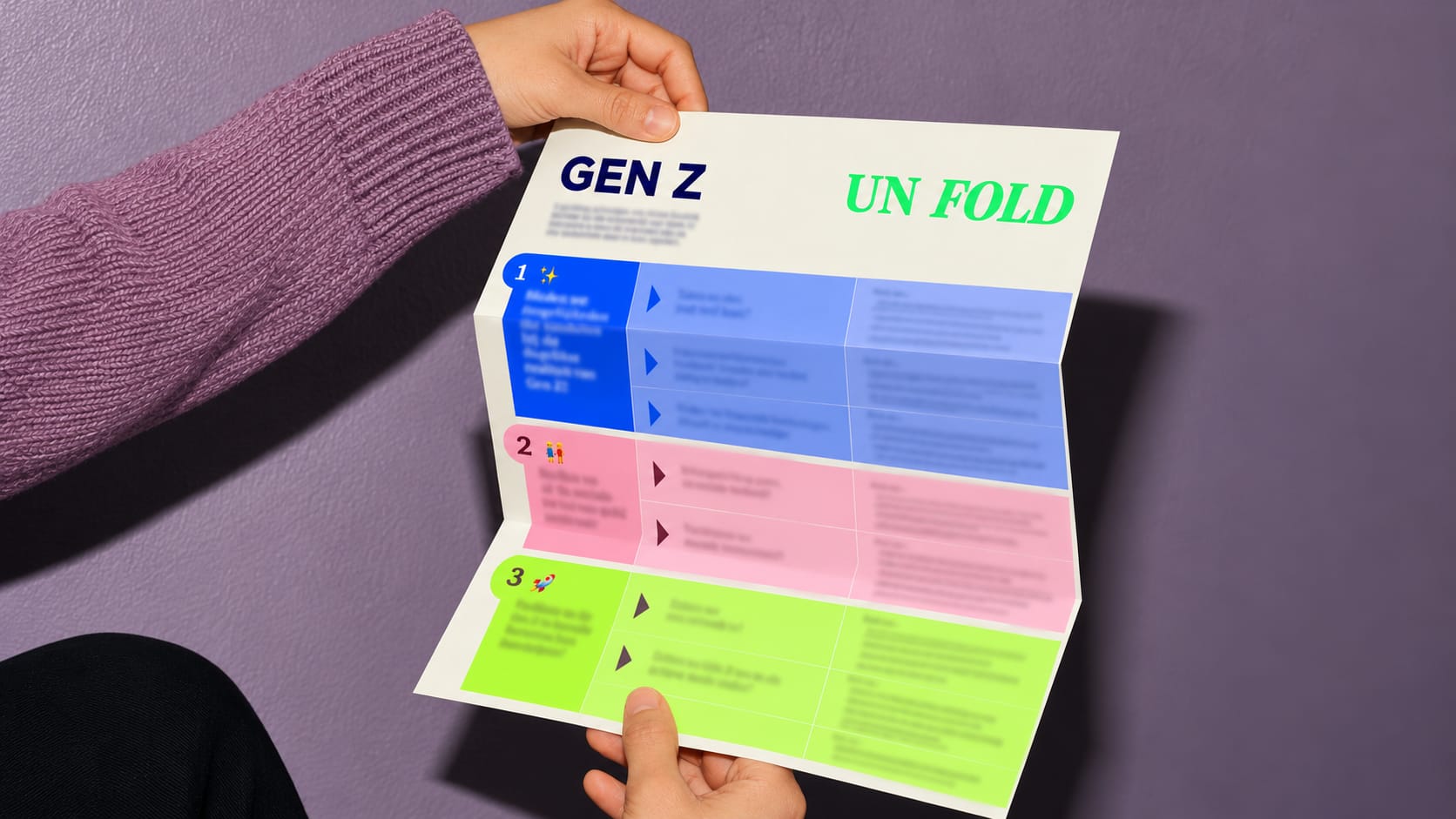
This revealed three deeper needs underneath the changing money culture. We then translated these insights into actionable Guiding Principles and Gen Z Moves: strategic directions that could be used across campaigns, content, channels, propositions and partnerships.
Crucially, we developed the compass with the people who would ultimately use it. Interviews, sparring sessions, workshops and agency sessions brought together Rabobank teams and external partners, allowing existing experience and cultural insight to reinforce each other.
The project helped move the conversation from:
How do we advertise financial products to Gen Z?
to:
What role can Rabobank meaningfully play in the financial lives Gen Z is actually living?
Rather than chasing individual youth trends, Rabobank now has a deeper framework for understanding why behaviours are changing and therefore a more durable basis for deciding how to respond. The Gen Z Compass creates a common language across teams and agencies: if this is what is changing in people's lives, this is how we should respond.
The result is a strategic compass designed to make Rabobank's work around Gen Z more coherent, culturally relevant and actionable.
The Guiding Principles are being incorporated into briefs and used with campaign, content and advertising teams and their agencies. This gives teams a shared starting point while still leaving room for creativity. Rather than every initiative starting from scratch, individual activities can now reinforce one another.
The work is still being implemented, so no quantitative business impact is available yet. What can already be seen is a shift toward greater strategic focus, less fragmentation and a shared understanding of the human needs behind Gen Z's changing relationship with money.
Consumer-centricity is not simply knowing more about your customer.
It is creating an organization capable of seeing the world from their perspective — and turning that understanding into consistent choices.