
Brands are Opening Their Archives. And It’s Paying Off.
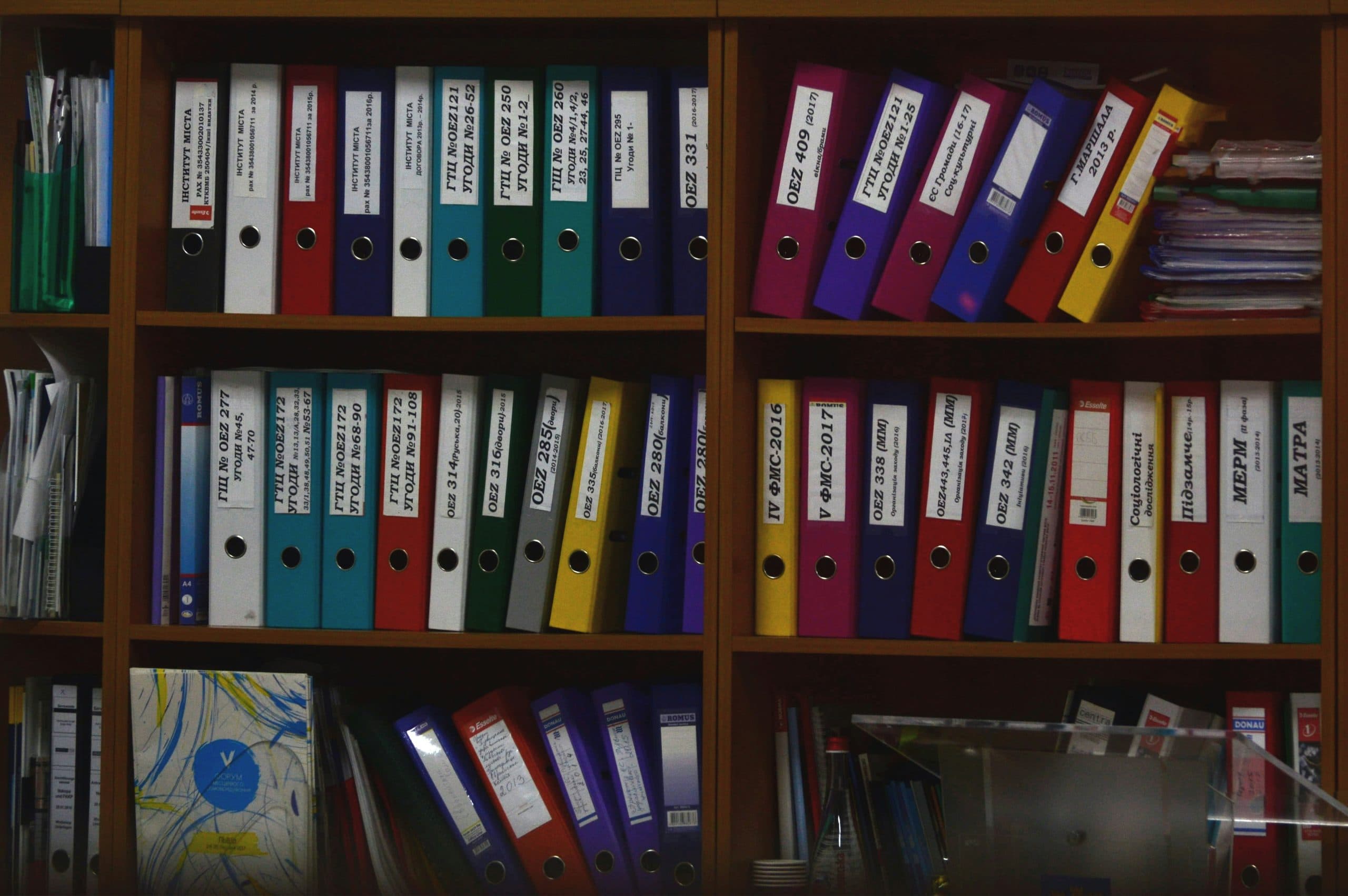
Recently, Maison Margiela — long known for its secrecy — launched Maison Margiela/folders, a public Dropbox that pulls back the curtain on its creative process and archive. The move reflects a broader shift: brands are reassessing their DNA to uncover sparks of innovation while meeting growing public curiosity about how things are made.
High fashion has been especially active in putting archives to work. Dior’s Spring–Summer 2026 show featured a film built from archival footage from the house’s history. At Hermès, Grace Wales Bonner consistently works with archival material. Many fashion houses have created curated spaces for their legacy, including Armani/Silos in Milan and the Ferragamo Museum in Florence.
Soul searching is happening beyond fashion, too. Volkswagen recreated its iconic 1960s print ads, Jägermeister reissued its original bottle for its 90th anniversary.
Brands are not simply replicating the past, but updating it for contemporary audiences and cultural contexts. Pringles revived its 1990s line “Once You Pop, You Can’t Stop,” updating it to “Once You Pop, The Pop Don’t Stop.” J.Crew invited emerging designers to remix its trademark rollneck. Adidas’ “Made Originals” brand activation combined archival installations, workshops and digital integrations, directly appealing to Gen Z’s appetite for participatory offline experiences.
The benefits of revisiting an institutional past are clear:
- It provides an authentic way to engage with the broader cultural shift toward collective nostalgia.
- Archives offer documented proof of what once resonated — particularly relevant today, when audiences fatigued by AI-generated content crave more analogue culture.
- It sharpens innovation: earlier prototypes or concepts may have been too early for their time but feel timely now.
- Research shows that brands activating their heritage tend to score higher on trust, authenticity and loyalty.
Where to start?
Take stock. Gather founding documents, early campaigns, and internal memos and identify the red threads. What values have persisted? What tensions shaped the brand’s evolution? Communicate them internally.
Start documenting the present — take pictures of the messy notes on the whiteboard after a meeting, collect the pile of post-it notes, make screenshots, build an infrastructure.
Let people peek in: “By letting go of our egos and sharing our process, we allow for the possibility of people having an ongoing connection with us and our work, which helps us move more of our product,” writes Austin Kleon in Show Your Work!.
If you’re a brand that wasn’t built yesterday, you’re probably sitting on a trump card you just might not be playing it. If you are a new player, begin today. It is never too late to start an archive. Take the picture. Start the diary. Become your own archivist.
Originally published on trendsactive.com
Keep reading

The most differentiating asset many brands overlook
Go to a language model, Claude, Gemini, ChatGPT, or any other, start a new conversation and ask this question: Give me a number between 1 and 10. What did you get? A seven? The first time I heard about this experiment was during the keynote of Zoe Scaman…
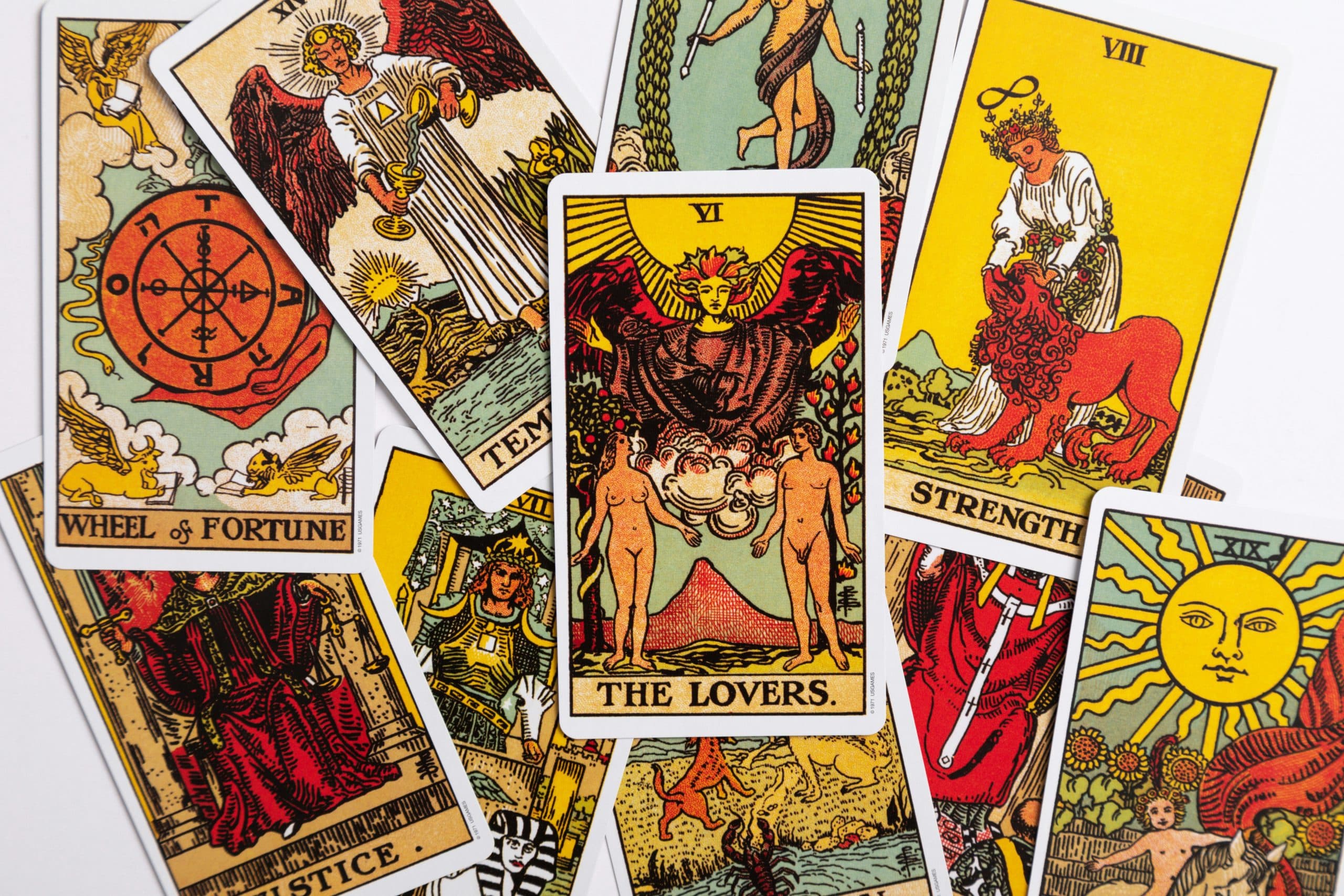
The age of magical thinking
For decades, organisations assumed that more information would lead to better decisions and stronger consumer trust. But people don’t just seek facts or a good product, they seek meaning. The brands, communities and institutions that resonate today help…

Baby Boomers booming industry
Why do so many companies overlook one of the largest and wealthiest consumer groups? Perhaps because the people making the decisions still hold the wrong assumptions. Last Week at Telecom Insights 2026, hosted by Telecompaper, we challenged some of those…