
Gen Z and the new rules of revolt
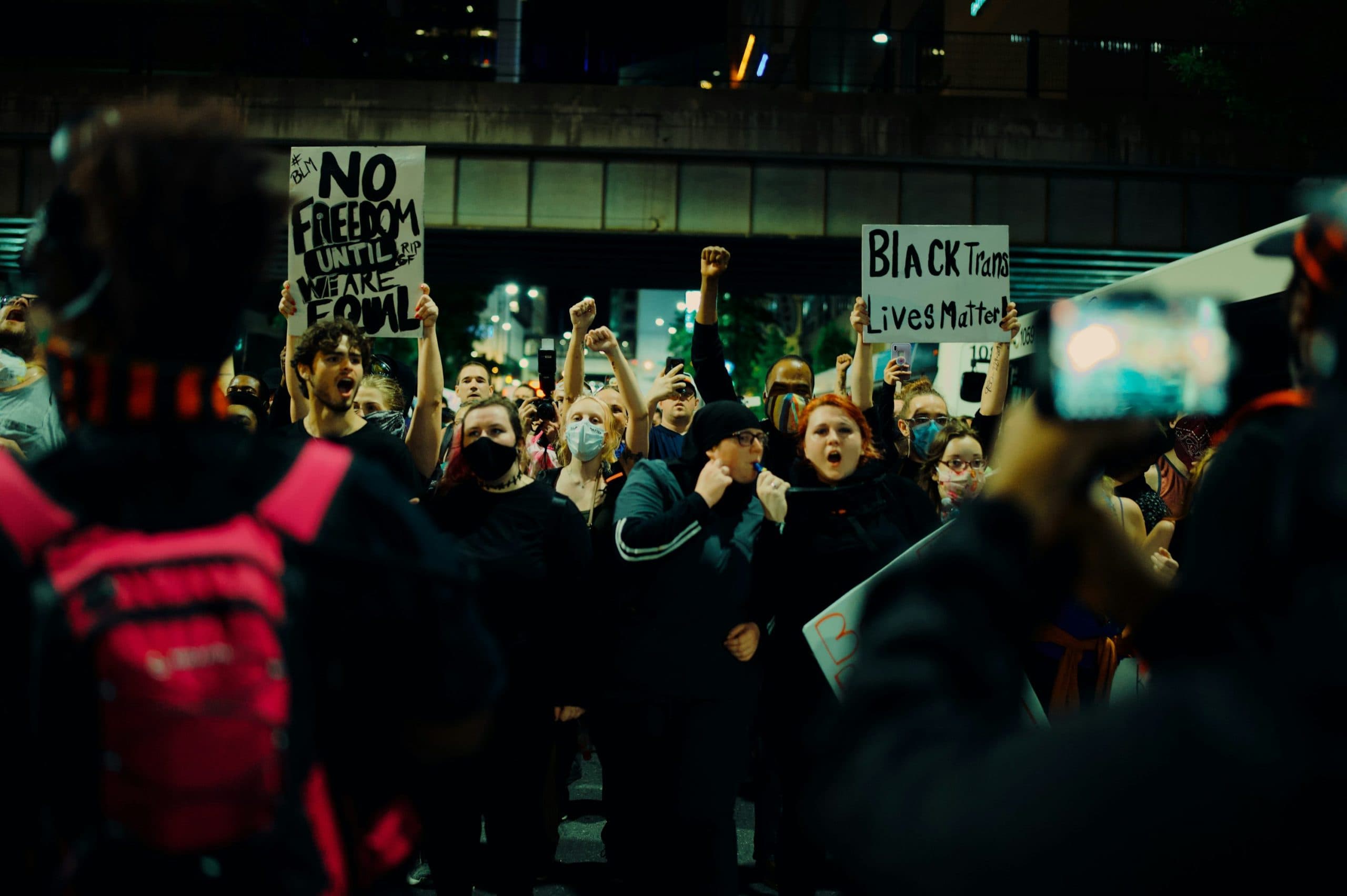
Protesting is not what it used to be. Today, young people are taking their activism also online, using hashtags, memes, and TikToks to spark change. Online protests are fast, personal, and borderless, allowing anyone to join in. Examples range from Roblox protests, to viral “World War Three” memes, and the spark to write this signal: The youth in Nepal, who overthrew their government and then selected a new female leader via Discord, a rare instance of activism coordinated online.
But is this part of a global wave of youth protest? Sociologist Jacquelien van Stekelenburg notes that while it’s hard to measure, protests often inspire similar movements elsewhere. She explains: “Young people see these movements and think, ‘We have the same problem, and they made a real impact. Why can’t we do the same?’” Social media makes it easy to express emotions and organize quickly.
Young people today are confronted with global problems from an early age, and the world they are growing up in feels unpredictable. This environment amplifies emotions and fuels collective concern. Research shows that visual and moving images evoke stronger emotional responses than text alone. Because today’s news is consumed mainly through visual platforms, such as social media feeds and video content, emotional reactions are faster and more intense. Algorithms amplify extreme and negative content, since emotionally charged material generates more engagement and keeps users’ attention longer. As van Stekelenburg observes: “A message can spread extremely fast and cheaply to a large group. Back in the day, newspapers could not do that.”
The rise of social media has also turned personal problems into collective ones. “When we share our feelings online, collective outrage spreads almost instantly,” she adds. Gen Z is growing up with a constant stream of crisis images, from climate change to war and inequality, which they encounter daily through social media. Research shows that if you strongly identify with a group, you worry more about its issues and experience emotions more intensely, including these group-based emotions.
Compared with older generations, today’s youth can respond more quickly to international issues because they see them in real time, can connect with global peers, and have tools to act immediately. Older generations had slower, more localized activism, often mediated by newspapers, TV, or physical gatherings. Social media has lowered barriers, making participation faster, emotional, and more globally interconnected.
For brands, these online actions and protests provide insight into the values, concerns, and anxieties of younger generations. They offer a window into what young people care about, what worries them, and what keeps them up at night.
Originally published on trendsactive.com
Keep reading

The most differentiating asset many brands overlook
Go to a language model, Claude, Gemini, ChatGPT, or any other, start a new conversation and ask this question: Give me a number between 1 and 10. What did you get? A seven? The first time I heard about this experiment was during the keynote of Zoe Scaman…
The age of magical thinking
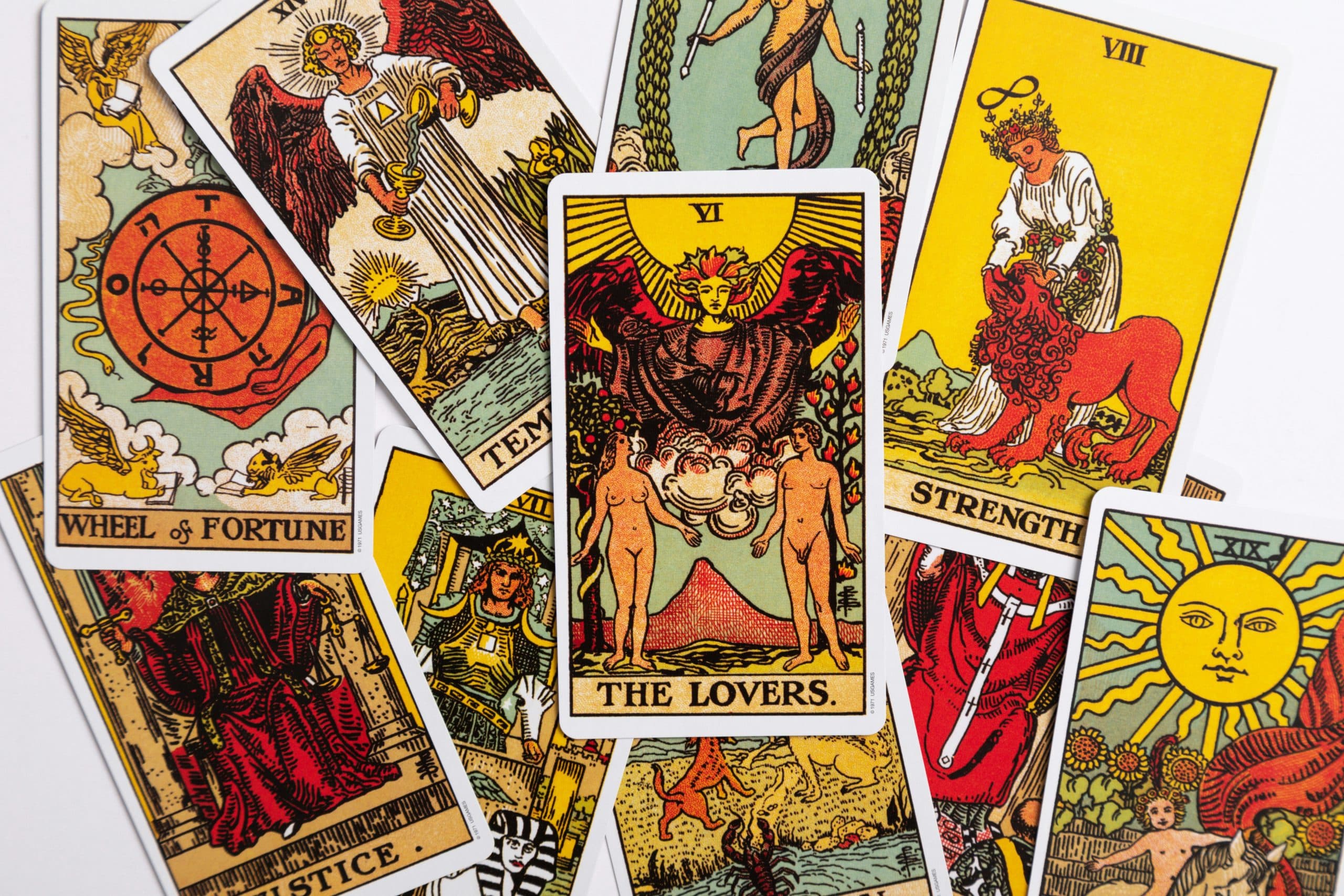
For decades, organisations assumed that more information would lead to better decisions and stronger consumer trust. But people don’t just seek facts or a good product, they seek meaning. The brands, communities and institutions that resonate today help…

Baby Boomers booming industry
Why do so many companies overlook one of the largest and wealthiest consumer groups? Perhaps because the people making the decisions still hold the wrong assumptions. Last Week at Telecom Insights 2026, hosted by Telecompaper, we challenged some of those…