
Smells like branding
Once you have an emotional memory tied to smell, they’re married together for the rest of your life. Scents trigger more intense and subconscious memories than other sensory cues, stimulating the brain’s limbic system linked to emotions. This means that as soon as you smell it, you’re going to feel the way you felt when you first encountered that scent.
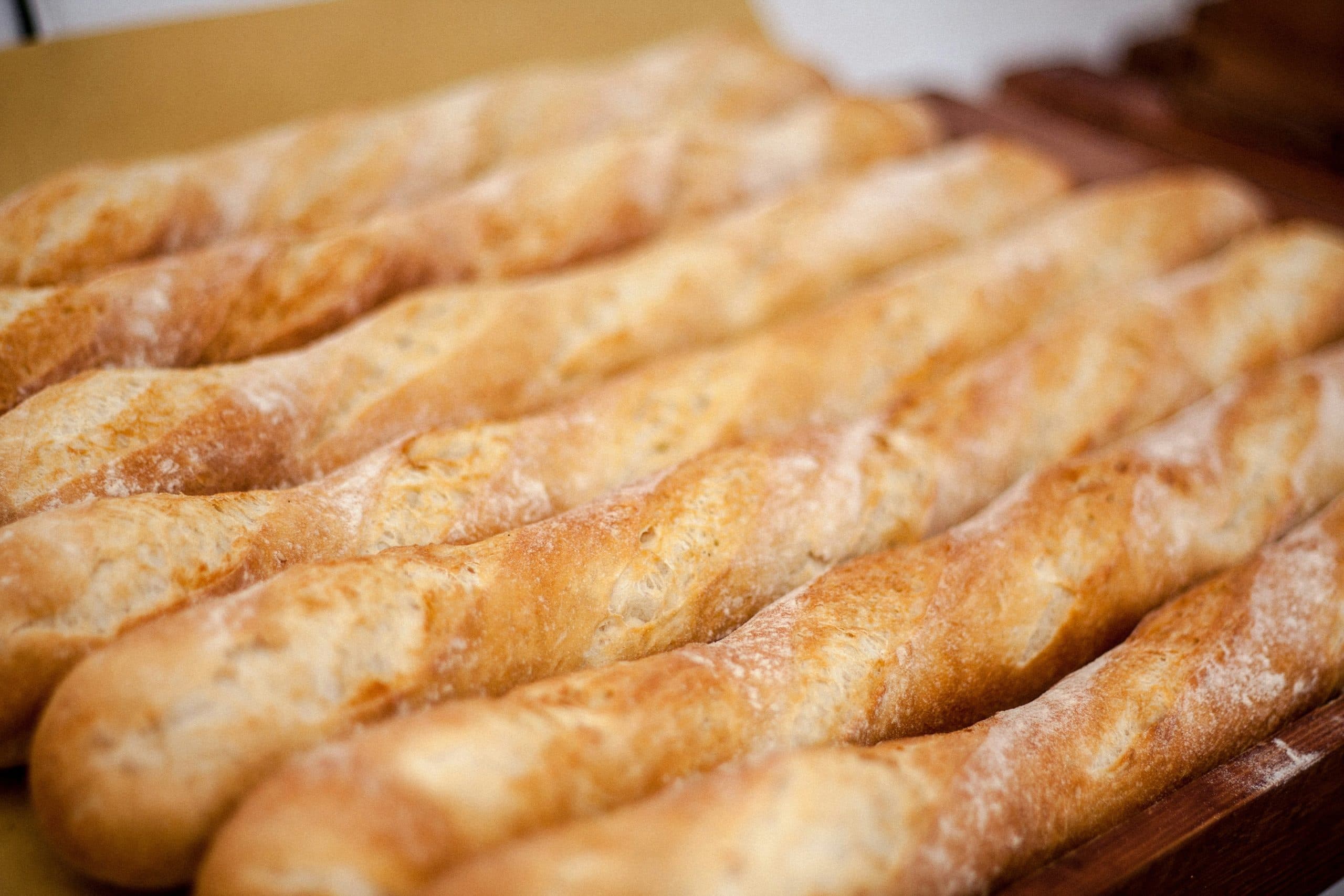
France’s post office, La Poste, smartly tapped into this concept recently. They created stamps that contain an encapsulated scent in their ink and smells like baguettes when scratched. The stamps celebrate the baguette as “the bread of our daily life, a symbol of our gastronomy, the jewel of French culture,” La Poste said.
Smell is tailored to memory. So the same smell can evoke different reactions in people depending on what the smell is connected to. Smell is culturally influenced. Knowing that many people enjoy the smell of bread and have fond memories attached to it, it is smart to evoke these feelings of pride among the French through the smell of their national pride; the baguette. The use of smell is a (under-utilized, but is) potential goldmine for brands. Take a look at how other brands use it for example to help you grieve: or to enhance your whisky experience: or use smell to bring back those sweet memories that remind you of your clubbing in Amsterdam.
Originally published on trendsactive.com
Keep reading

The most differentiating asset many brands overlook
Go to a language model, Claude, Gemini, ChatGPT, or any other, start a new conversation and ask this question: Give me a number between 1 and 10. What did you get? A seven? The first time I heard about this experiment was during the keynote of Zoe Scaman…
The age of magical thinking
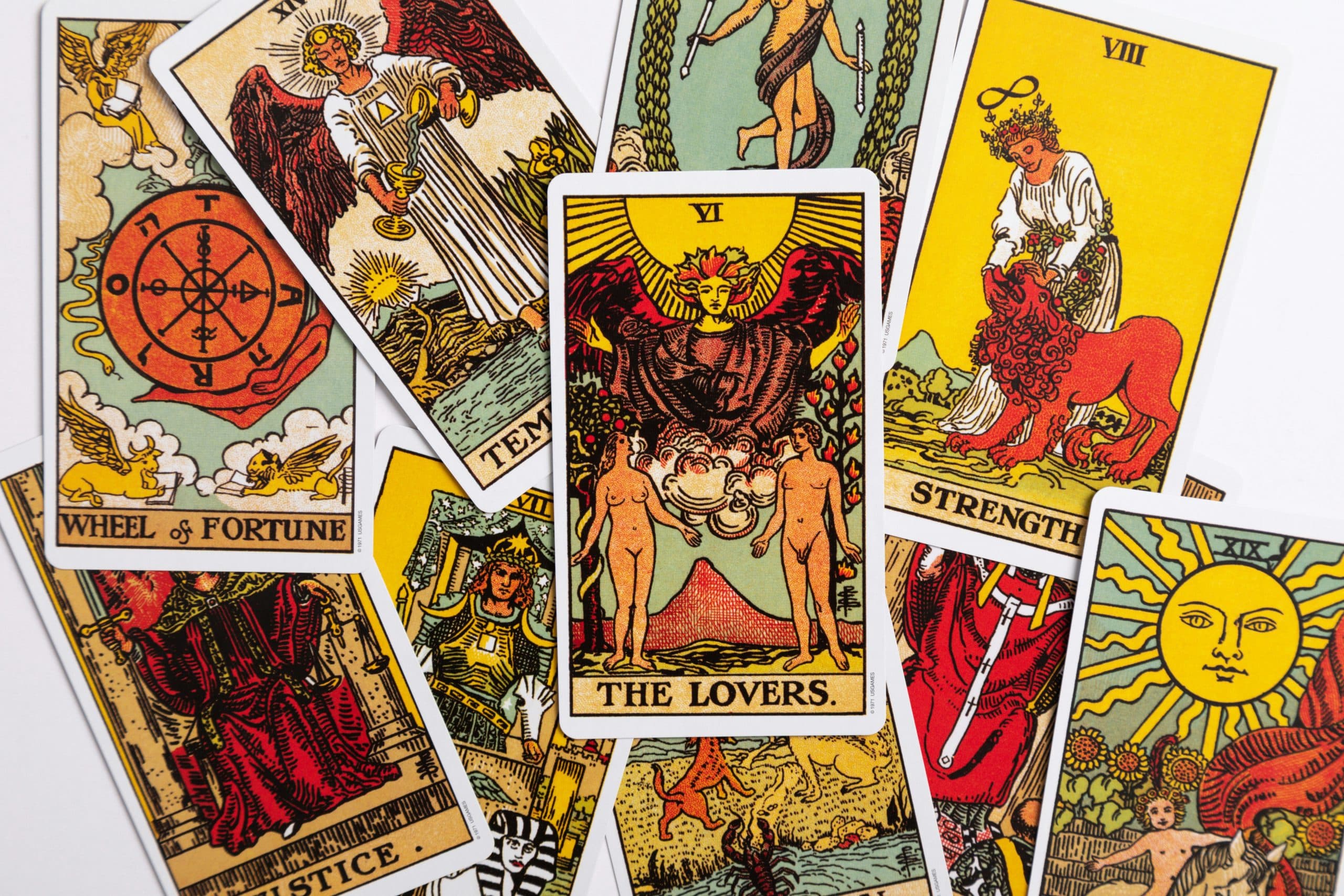
For decades, organisations assumed that more information would lead to better decisions and stronger consumer trust. But people don’t just seek facts or a good product, they seek meaning. The brands, communities and institutions that resonate today help…

Baby Boomers booming industry
Why do so many companies overlook one of the largest and wealthiest consumer groups? Perhaps because the people making the decisions still hold the wrong assumptions. Last Week at Telecom Insights 2026, hosted by Telecompaper, we challenged some of those…