
The climate crisis is human, not scientific
Climate change is so often regarded as a challenge of innovation – of transforming our current system through new and more sustainable business practices, technologies and energy generation. But the last decades have shown that is not where the real problem lies; by now we know what to change, and even often how to do it. The most significant obstacle is human willingness. American environmental lawyer Gus Speth perfectly describes this same problem in this quote below:
“I used to think the top environmental problems were biodiversity loss, ecosystem collapse and climate change. I thought that with 30 years of good science, we could address those problems.
But I was wrong. The top environmental problems are selfishness, greed and apathy… and to deal with those we need a spiritual and cultural transformation and we, (Lawyers) and scientists, don´t know how to do that.”
Effective environmental intervention hinges on human willingness to change. On the one hand, an individual preparedness to replace old habits with new and greener ones, but on the other hand a political will to rethink (structural) incentives in our economic system (which can not be seen separate from public opinion).
Currently, much of the communication surrounding sustainability is either dominated by scientists or PR/marketing firms, leading to either sterile and complex or slick and curated messaging. Both tire people out. A bit of an unconventional (but promising) addition to the climate narrative might be the use of (dark) humour. Something that is more thoroughly discussed in a recent NYT article called ‘Climate Change Is No Laughing Matter. Or Is It?’ or the book ‘I Want a Better Catastrophe’ by Andrew Boyd. Be sure to check it out.
Originally published on trendsactive.com
Keep reading

The most differentiating asset many brands overlook
Go to a language model, Claude, Gemini, ChatGPT, or any other, start a new conversation and ask this question: Give me a number between 1 and 10. What did you get? A seven? The first time I heard about this experiment was during the keynote of Zoe Scaman…
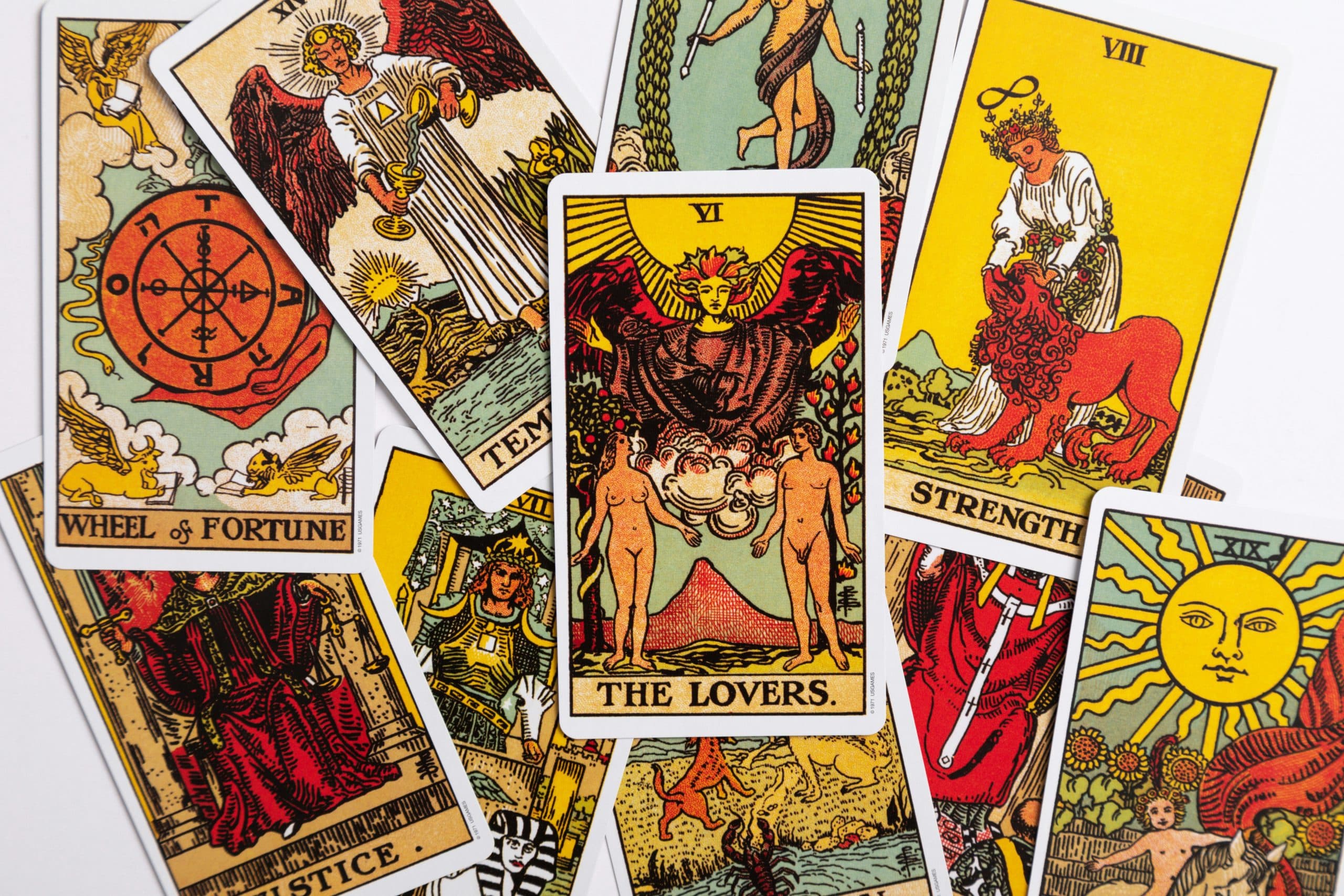
The age of magical thinking
For decades, organisations assumed that more information would lead to better decisions and stronger consumer trust. But people don’t just seek facts or a good product, they seek meaning. The brands, communities and institutions that resonate today help…

Baby Boomers booming industry
Why do so many companies overlook one of the largest and wealthiest consumer groups? Perhaps because the people making the decisions still hold the wrong assumptions. Last Week at Telecom Insights 2026, hosted by Telecompaper, we challenged some of those…