
The opposite of our self-care doctrine

Mental disorders account for 13% of the global disease burden, and major depression alone is expected to be the largest contributor by 2030, according to the WHO. No wonder there’s more attention on our mental wellbeing, at work, at home, on socials, everywhere. However, the way in which we take care of our well-being most of the time – by analyzing our feelings and looking inwards – might not always be the best solution.
Numerous studies on what makes people happy revolve around positive psychology interventions that divert your attention away from yourself instead, by helping others, being with friends or practising gratitude. This is the opposite of the current ‘self-care’ doctrine, but getting out of our heads (and into the world around us) could help us get away from negative ruminations which can be the basis of so many mental health problems.
Originally published on trendsactive.com
Keep reading

The most differentiating asset many brands overlook
Go to a language model, Claude, Gemini, ChatGPT, or any other, start a new conversation and ask this question: Give me a number between 1 and 10. What did you get? A seven? The first time I heard about this experiment was during the keynote of Zoe Scaman…
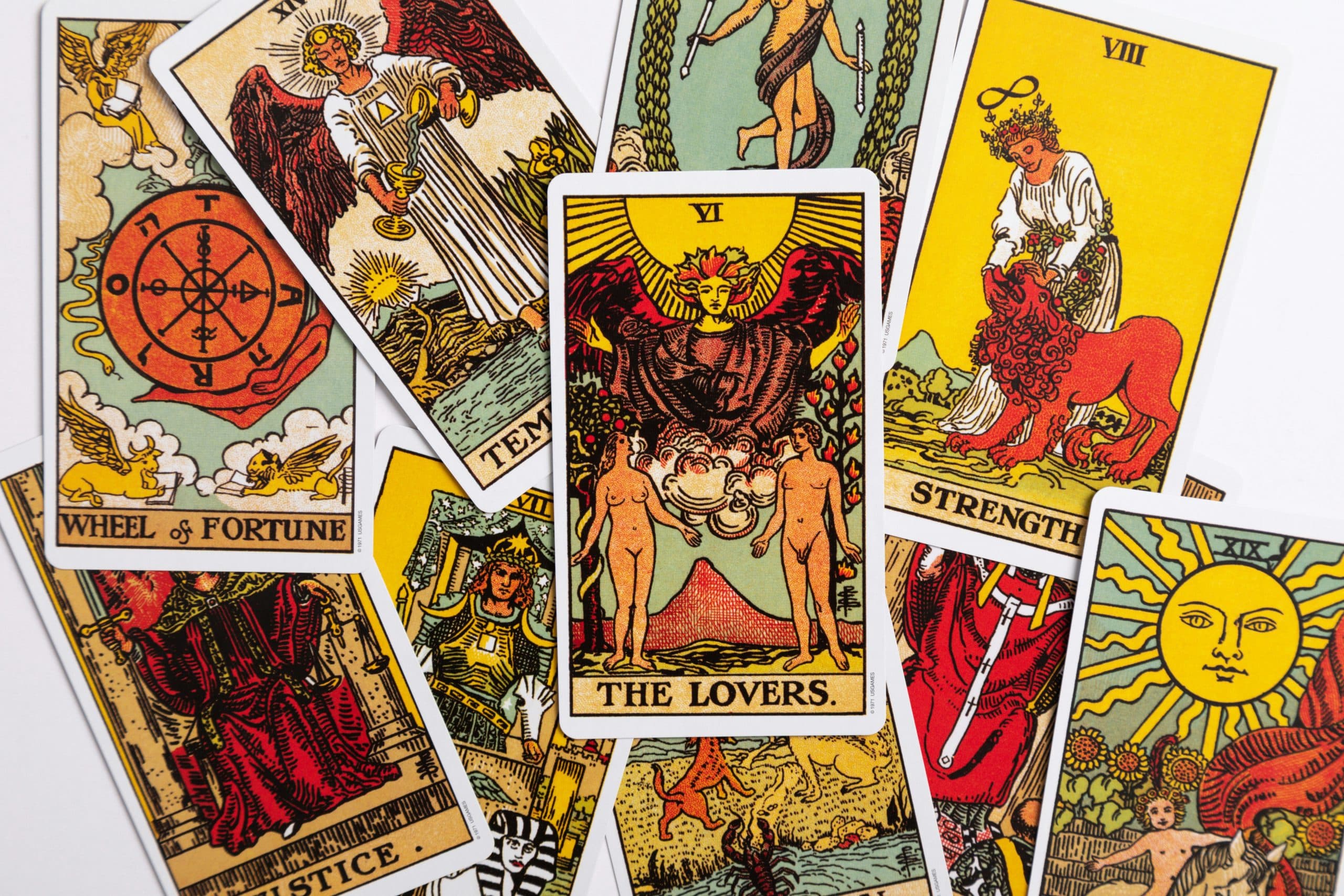
The age of magical thinking
For decades, organisations assumed that more information would lead to better decisions and stronger consumer trust. But people don’t just seek facts or a good product, they seek meaning. The brands, communities and institutions that resonate today help…

Baby Boomers booming industry
Why do so many companies overlook one of the largest and wealthiest consumer groups? Perhaps because the people making the decisions still hold the wrong assumptions. Last Week at Telecom Insights 2026, hosted by Telecompaper, we challenged some of those…