
What if brands could restore our attention?

Most of the digital tools we use today, from social media and news feeds to streaming services, shopping apps, and even phone notifications, operate on the same principle: capturing and holding our attention. In the attention economy our attention is essentially being diverted and turned into money. As a result, we start organizing our lives less around our own interests and values.
As philosopher Thomas Metzinger reminds us:
“Attention is magical because it allows you to focus your life on what truly matters to you. In the end, your life is shaped by whatever you give your attention to.”
But, there is a way to restore our attention. According to the Attention Restoration Theory (Kaplan & Kaplan) natural environments can restore depleted cognitive resources, especially directed attention, which is heavily taxed in modern, screen-based and urban settings. Natural stimuli such as landscapes, whispering leaves, the sound of rain on a roof, or moving clouds gently capture our attention without demanding effort (soft fascination). They reduce cognitive load and offer relief from artificial stimuli, notifications, and social pressure.
What would happen if brands focused on attention restoration instead of engagement? Some companies are already exploring this direction. Google’s Little Signals project, for example, experiments with more natural and subtle ways for technology to communicate with people, through gentle sounds, small movements, shifting shadows, taps, or pulses of air. Keeping people informed without demanding constant attention and allowing technology to stay in the background.
In a world where everyone is competing for attention and where engagement is one of the most sought-after KPIs, the most valuable brands may be the ones that help people regain their attention.
Originally published on trendsactive.com
Keep reading

The most differentiating asset many brands overlook
Go to a language model, Claude, Gemini, ChatGPT, or any other, start a new conversation and ask this question: Give me a number between 1 and 10. What did you get? A seven? The first time I heard about this experiment was during the keynote of Zoe Scaman…
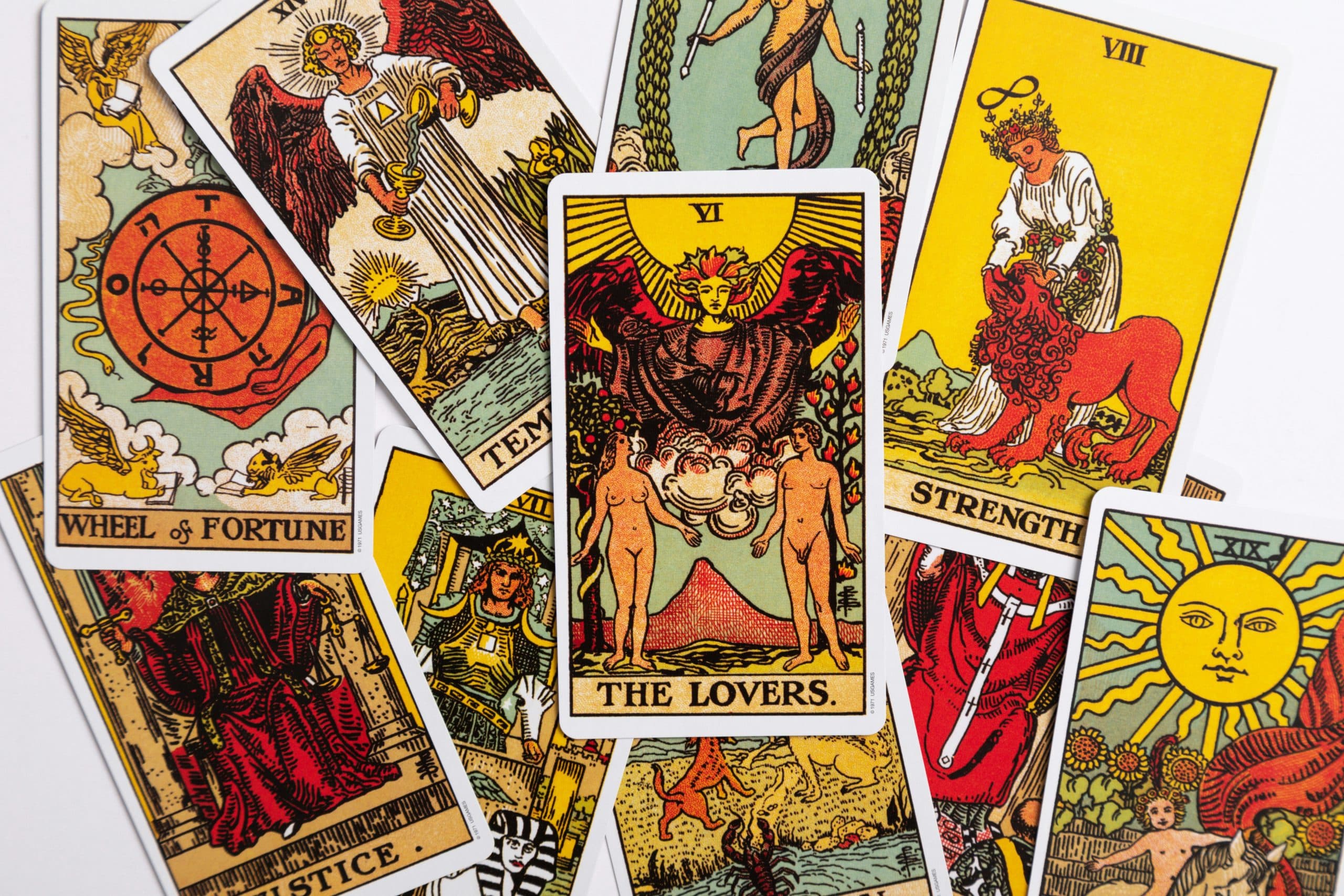
The age of magical thinking
For decades, organisations assumed that more information would lead to better decisions and stronger consumer trust. But people don’t just seek facts or a good product, they seek meaning. The brands, communities and institutions that resonate today help…

Baby Boomers booming industry
Why do so many companies overlook one of the largest and wealthiest consumer groups? Perhaps because the people making the decisions still hold the wrong assumptions. Last Week at Telecom Insights 2026, hosted by Telecompaper, we challenged some of those…